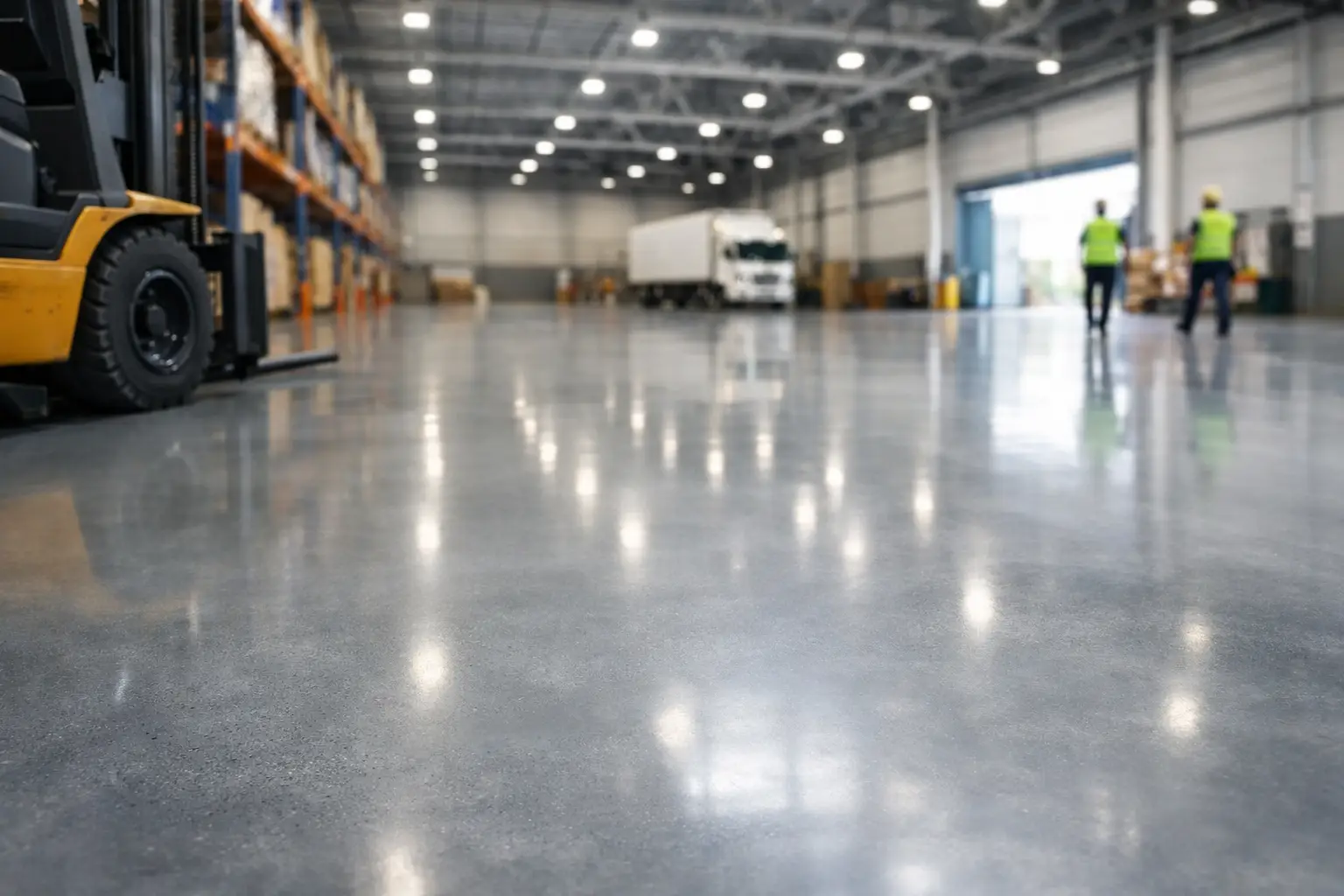
Forklift traffic does not fail a floor evenly. It concentrates force at joints, edges, turning points, rack aisles, and loading routes. That is why the benefits of jointless industrial floors extend well beyond appearance. In the right facility, removing or minimizing joints can reduce recurring maintenance, improve material-handling performance, and give operations a more dependable working surface.
For plant managers, facilities directors, and general contractors, the question is not whether joints are inherently bad. Concrete must accommodate movement, and every slab requires a sound movement-management strategy. The decision is whether a conventional joint layout creates unnecessary exposure in an area defined by heavy traffic, narrow-aisle equipment, strict cleanliness requirements, or costly downtime.
Why Conventional Joints Become an Operational Issue
Joints are designed points of movement or construction. In industrial service, they are also interruptions in the running surface. Repeated hard-wheel traffic can strike a joint thousands of times each day. Over time, joint edges may chip, spall, curl, or open. The result is a rougher ride, more vibration, and a repair cycle that can become part of normal facility maintenance.
The effect is especially pronounced where lift trucks travel at consistent speeds and follow fixed paths. Reach trucks, turret trucks, order pickers, and other material-handling equipment transfer concentrated loads through small wheels. When those wheels repeatedly impact a joint, deterioration can accelerate. A minor edge defect can develop into a larger safety, equipment, and productivity concern.
Jointless systems are intended to reduce the number of joints that traffic must cross within the slab field. They do not eliminate the need for properly detailed perimeter isolation, construction planning, or movement joints where a building requires them. They reduce the routine joint exposure that often drives maintenance in high-use areas.
The Core Benefits of Jointless Industrial Floors
Fewer Joint Repairs and Lower Maintenance Demand
The most direct advantage is a reduction in traffic-exposed joints. Fewer joints mean fewer locations where edge damage, failed fillers, and localized repairs can develop. For a facility with continuous forklift movement, that can materially reduce maintenance calls and the disruption that comes with barricading an aisle for repair.
This is a lifecycle issue, not simply an installation issue. A lower initial-cost floor can become expensive when operations repeatedly address broken edges, replace joint filler, and manage equipment damage caused by rough travel. A well-designed jointless floor shifts the focus toward long-term serviceability.
The savings depend on traffic volume, wheel type, load intensity, slab design, and housekeeping practices. A lightly used warehouse may not see the same return as a 24-hour distribution center. But in demanding environments, reducing maintenance points is a practical way to protect operating budgets.
Better Performance for Material-Handling Equipment
Joint impacts create vibration. Vibration affects operators, loads, lift-truck components, and the floor itself. A more continuous surface helps equipment travel with less repeated impact, particularly along high-frequency routes.
This matters in facilities using very narrow aisle systems. VNA trucks depend on consistent floor conditions to operate safely and efficiently. In guided aisles, floor irregularities can affect ride quality, mast movement, and confidence at height. A jointless approach, combined with the required flatness and levelness specification, supports a better operating environment for these systems.
A smoother travel path can also help reduce wear on wheels, suspension components, and load-handling equipment. It will not correct poor maintenance practices or replace proper truck selection, but it removes one common source of repeated mechanical shock.
Improved Safety at High-Traffic Routes
Damaged joints create trip points, wheel catches, and unstable travel surfaces. They can also cause loads to shift when trucks cross them at speed. In pedestrian areas, joint deterioration can collect debris and create uneven transitions that deserve attention before they become incidents.
Jointless industrial floors reduce these discontinuities across large slab areas. That supports safer forklift routes, more predictable travel, and easier identification of actual defects when they occur. For facilities with strict safety programs, removing avoidable hazards from the floor is a direct operational benefit.
Safety still depends on the complete floor system. Surface condition, traction, drainage, cleaning methods, markings, and traffic management all matter. Jointless construction is not a substitute for those controls. It is a strong foundation for them.
Cleaner, More Sanitary Working Areas
Open or damaged joints trap dust, debris, liquids, and contaminants. In dry manufacturing and warehousing environments, that buildup can affect housekeeping standards and contribute to dust migration. In food, beverage, pharmaceutical, or washdown areas, joints demand careful detailing because they can become difficult-to-clean locations.
A reduced-joint floor field is easier to sweep, scrub, and inspect. It creates fewer recessed lines where debris can accumulate and fewer repairs that interrupt cleaning schedules. Where hygiene requirements are high, the floor finish, coating or resin system, cove details, and drainage design must be selected as a complete package. Still, reducing unnecessary joints makes that package easier to maintain.
Stronger Support for Floor Coatings and Upgrades
Floor coatings, resin systems, and toppings can perform well over concrete, but they are not intended to bridge uncontrolled slab movement. Every joint must be properly honored, filled, or detailed according to the system and service conditions. A floor with fewer traffic joints presents fewer locations requiring special treatment.
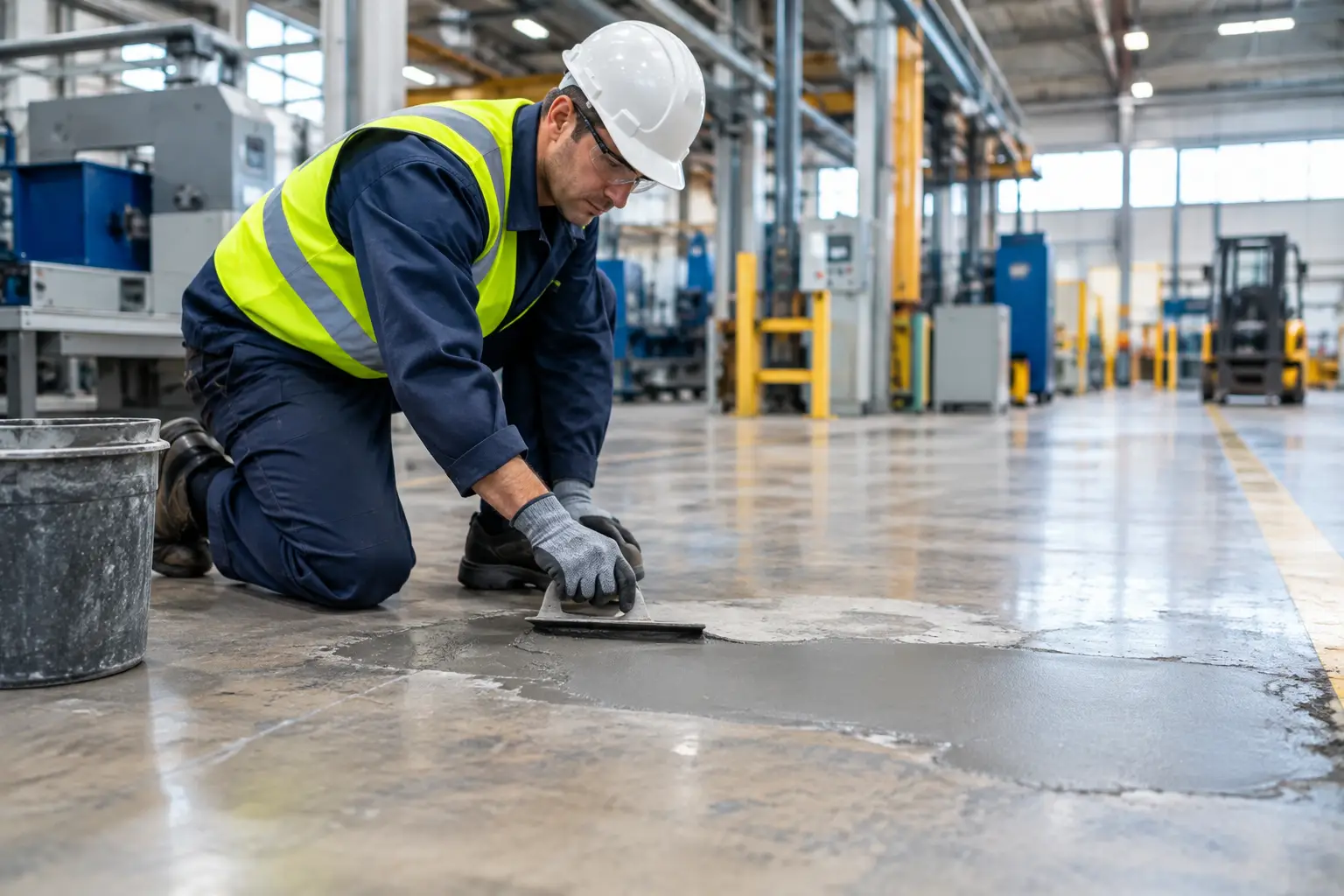
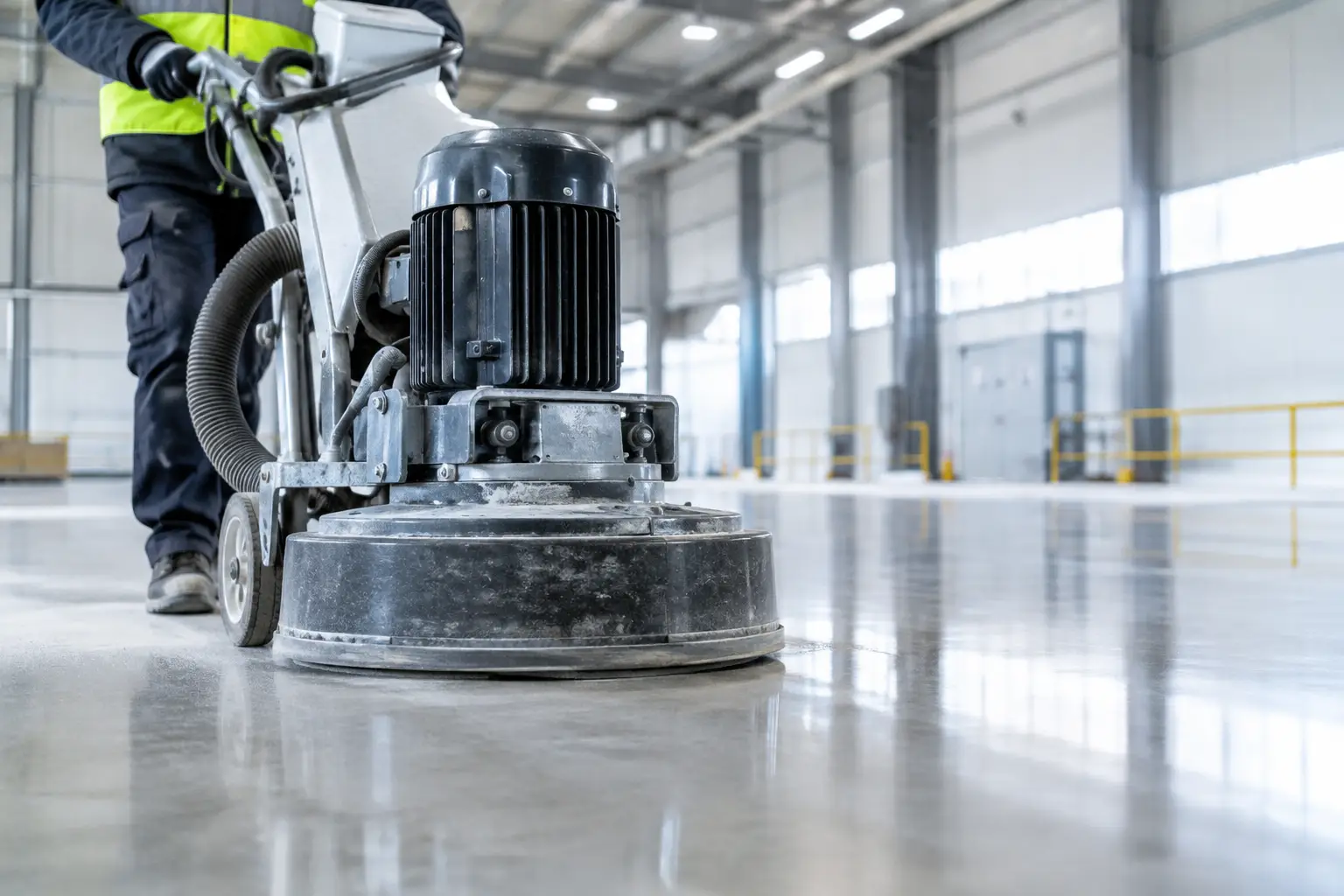
That can simplify future floor upgrades. When a facility needs chemical resistance, improved cleanability, color zoning, or abrasion protection, a stable and well-executed substrate gives the new system a better starting point. Surface preparation remains critical. Grinding, shot blasting, moisture testing, crack treatment, and substrate repair should never be minimized to meet an opening date.
Where Jointless Floors Deliver the Best Value
Jointless construction is particularly relevant where operations run continuously and floor access is difficult to interrupt. Distribution centers with heavy forklift traffic, manufacturing plants, cold storage operations, logistics facilities, and high-bay warehouses are common candidates.
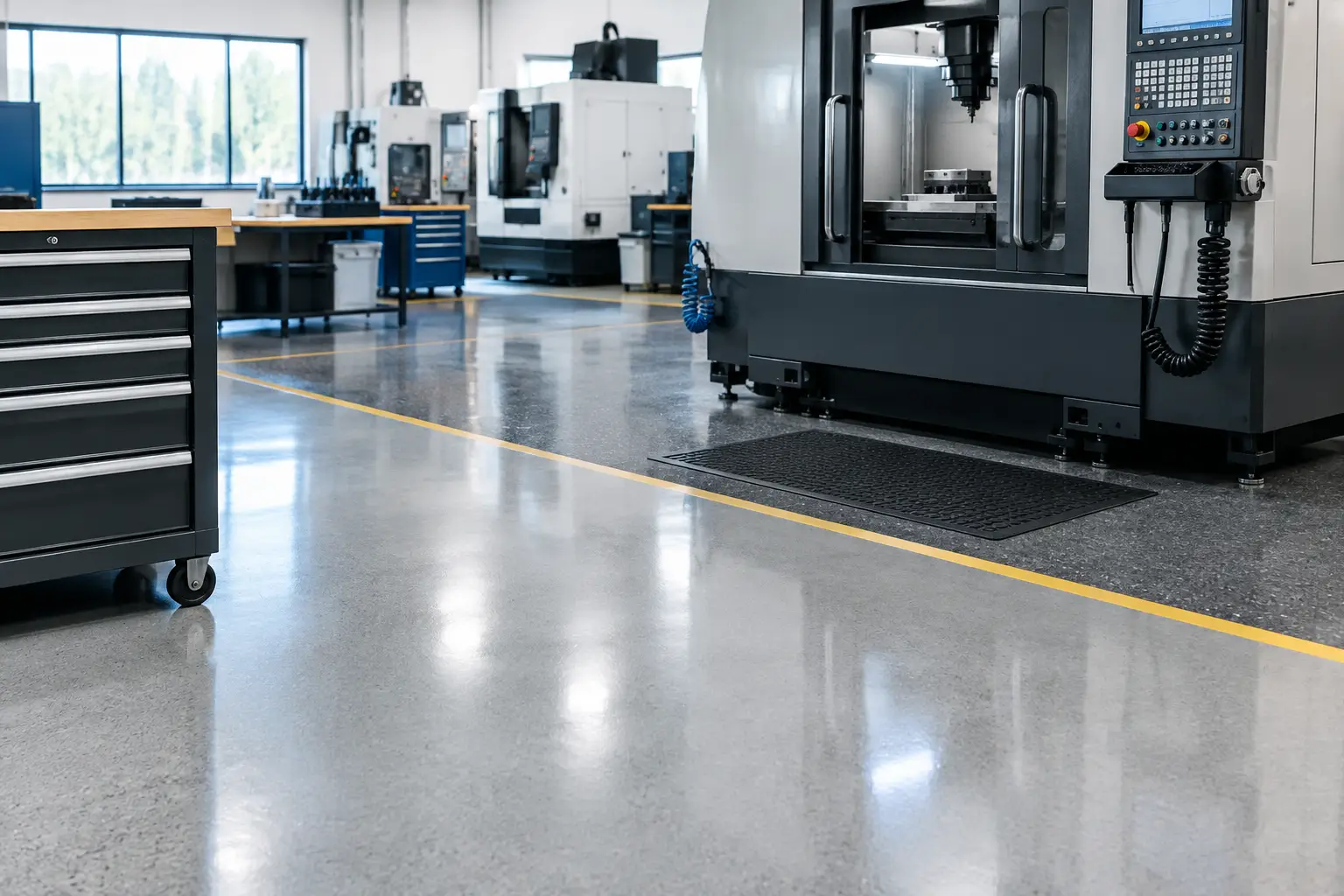
It also has value in areas where floor quality directly supports a specialized system. Superflat VNA floors, wire guidance routes, automated material-handling lanes, and fixed travel aisles all benefit from a surface designed around actual equipment use rather than a generic concrete layout.
The strongest case usually combines several conditions: hard wheels, frequent traffic, heavy loads, narrow aisles, high repair costs, or strict cleanliness standards. If an aisle closure disrupts shipping, production, or inventory access, the cost of joint maintenance is larger than the repair invoice alone.
Design and Installation Determine the Outcome
A jointless floor is not simply a larger concrete pour. Performance depends on engineering, slab thickness, reinforcement strategy, concrete mix design, subgrade condition, placement sequence, curing, and joint detailing. Poor execution can create cracking, curling, or flatness issues that undermine the intended benefit.
Early coordination is essential. The floor design must account for rack loads, wheel loads, traffic patterns, building geometry, column locations, temperature conditions, and adjacent structures. The installation team also needs a workable placement plan that protects quality while meeting the construction schedule.
For operational facilities, phasing is equally important. The contractor should understand which routes must remain open, when equipment can be moved, how dust and noise will be controlled, and how the floor will be protected during cure. A technically sound system still fails the project if it creates avoidable disruption to production.
Osis Group approaches these projects as operating-floor work, where workmanship, schedule discipline, and the final service condition carry equal weight.
Jointless Does Not Mean Maintenance-Free
Every industrial floor needs inspection and maintenance. Even with fewer joints, concrete can crack, surfaces can wear, and traffic patterns can change. Movement joints at walls, columns, and building transitions require proper treatment. Any floor coating or topping needs cleaning procedures that match its chemistry and service environment.
The goal is not to promise a floor without maintenance. The goal is to reduce predictable weak points and make maintenance more manageable. A sound jointless floor design can give facility teams fewer recurring repairs, more reliable travel routes, and a better platform for long-term operations.
Before selecting a system, assess the floor around the way the facility actually works: the trucks it runs, the loads it carries, the routes it depends on, and the downtime it cannot afford. That assessment will show whether a jointless floor is a premium feature or a practical investment in operational control.