Forklift traffic does not wear a floor evenly. It concentrates force along travel lanes, turning points, loading zones, and rack aisles until dusting, exposed aggregate, tire marks, and surface loss become operational problems. Abrasion resistant coatings are specified to take that punishment at the surface, preserving the floor beneath and helping facilities maintain safer, cleaner, more productive operating areas.
For industrial facilities, abrasion resistance is not a cosmetic upgrade. A worn floor can create concrete dust, reduce cleanability, compromise line markings, and accelerate damage at joints and edges. The right flooring system must match the actual service conditions - including traffic type, wheel hardness, loads, impact exposure, moisture conditions, and available shutdown time.
What Abrasion Resistant Coatings Are Designed to Do
Abrasion occurs when repeated friction removes material from a floor surface. Hard polyurethane wheels, steel caster wheels, pallet jacks, forklifts, drag loads, and tracked equipment can all create abrasive wear. In a warehouse or plant, this action is often continuous rather than occasional.
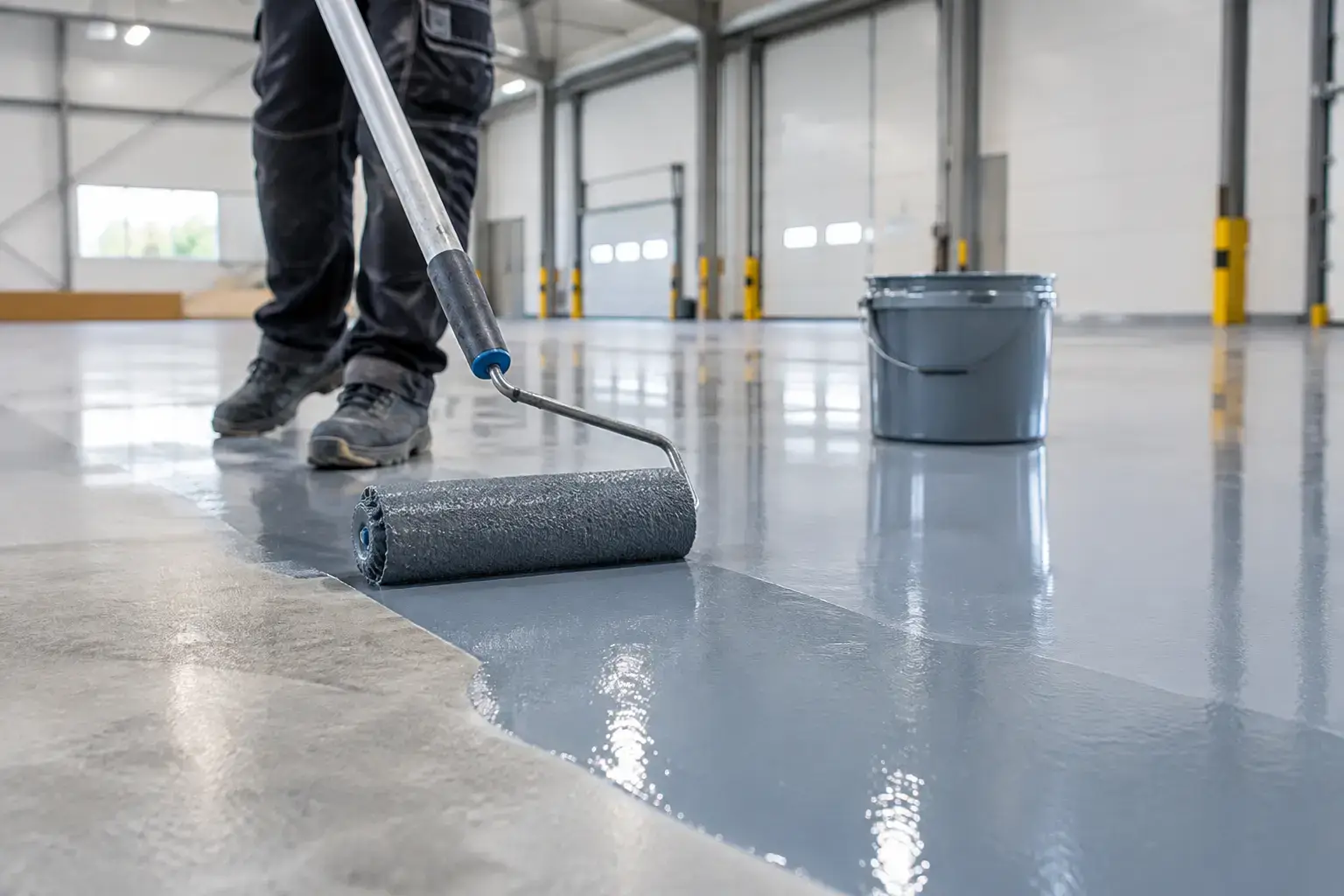
Abrasion resistant coatings create a protective wear layer over properly prepared concrete. Depending on the system, that layer may be epoxy, polyurethane, polyaspartic, cementitious urethane, or a resinous mortar with aggregate broadcast into the coating. The goal is not simply to make the floor harder. It is to build a system that resists wear while remaining bonded to the substrate and suitable for the facility's chemical, thermal, and cleaning demands.
A high-build coating can reduce concrete erosion and make the surface easier to maintain. It can also provide a defined visual standard for traffic lanes, work cells, pedestrian areas, and safety markings. But performance depends on the complete assembly, not the topcoat alone.
Abrasion Resistance Is Only One Specification Requirement
An abrasion rating is useful, but it should not be treated as the entire specification. A floor coating can perform well in a laboratory abrasion test and still fail prematurely if the concrete was poorly prepared, if moisture vapor pressure was not addressed, or if the selected resin cannot tolerate the facility's operating conditions.
In practical terms, the floor must resist the full range of exposure. A distribution center may prioritize abrasion from lift trucks and pallet movement. A food or beverage facility may need abrasion resistance alongside thermal shock, washdown durability, and chemical resistance. A manufacturing floor may require resistance to oils, coolants, dropped parts, and frequent equipment movement.
The correct system is therefore a balance. Extremely hard coatings can offer excellent wear resistance but may be less forgiving under substrate movement or impact. More flexible systems can better accommodate certain stresses but may not be the best choice for severe mechanical abrasion. The specification should be based on the floor's failure risks, not on a single product claim.
The traffic profile changes the system
Traffic weight matters, but wheel type and travel pattern can be just as important. Narrow hard wheels produce higher point loads than pneumatic tires. Forklifts that turn repeatedly in the same location create torsional stress and concentrated wear. Reach trucks in very narrow aisle environments place consistent demand on defined wheel paths, where floor flatness, joint condition, and coating durability must work together.
For Superflat floors supporting VNA operations, surface consistency is part of operational performance. A coating system should be evaluated for its compatibility with the required floor profile, the equipment guidance method, and the maintenance expectations of the facility. A durable coating cannot correct an underlying flatness issue, nor should it compromise the tolerances needed for high-rack material handling.
Concrete condition determines coating life
Most coating failures begin below the coating. Weak concrete, surface contamination, curing compounds, laitance, oil intrusion, and unsound repairs can prevent reliable adhesion. The floor may look acceptable before installation and still be unsuitable for a high-performance resinous system.
Proper surface preparation typically requires mechanical profiling to expose sound concrete and establish the required surface texture. Repairs must be completed before the coating is installed, especially at spalls, cracks, deteriorated joints, and active slab edges. Moisture testing is also essential. Excessive moisture vapor transmission can cause blistering, debonding, and other failures that shorten service life.
Choosing Abrasion Resistant Coatings by Environment
There is no universal industrial coating. System selection should begin with where and how the floor operates.
Epoxy systems are widely used where facilities need a durable, buildable surface with good chemical resistance and a wide range of finish options. They can perform well in manufacturing, warehousing, laboratories, and processing areas. However, standard epoxies may require protection from ultraviolet exposure and may not be the right choice for severe thermal cycling.
Polyurethane and polyaspartic topcoats are often selected where abrasion resistance, stain resistance, color retention, or faster return to service are priorities. Their role may be as a protective top layer over an epoxy base, rather than as the entire flooring system. Installation timing, ambient conditions, and recoat windows require disciplined project planning.
Cementitious urethane systems are commonly considered for demanding environments involving thermal stress, moisture, washdowns, food processing, and aggressive cleaning. Their higher installation thickness and tolerance for difficult service conditions can make them a strong option, although the substrate and detailing still need careful attention.
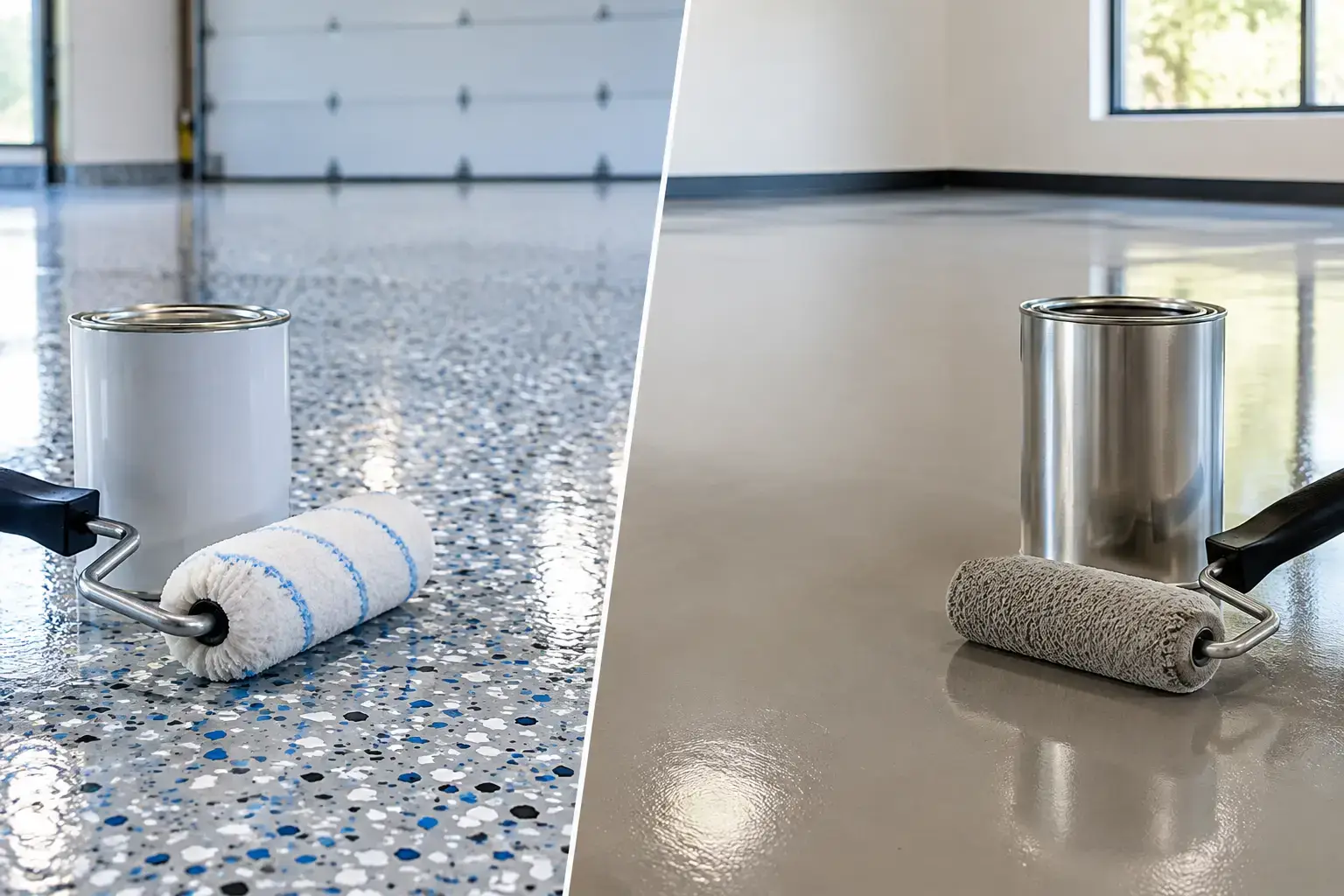
Broadcast quartz or aggregate systems add another level of mechanical durability. Aggregate embedded within the resin can increase wear resistance while also providing a more textured, slip-resistant finish. That texture must be selected carefully. A floor that is too aggressive can be harder to clean and may increase rolling resistance for wheeled traffic.
Where Floors Wear First
A facility-wide walkthrough often reveals where a coating specification needs reinforcement. The highest-risk areas are rarely spread evenly across the slab. They tend to include dock approaches, trailer staging zones, forklift turning areas, battery charging locations, production entrances, packaging lines, and routes between storage and shipping.
Joints deserve specific attention. Even a well-coated slab can deteriorate quickly where hard-wheeled traffic crosses damaged or unprotected joints. Joint and floor repair should be completed as part of the flooring plan, using materials suited to the expected traffic and movement. Coating directly over failed joints without addressing the underlying condition shifts the problem forward rather than resolving it.
Transitions also matter. Changes in coating thickness, elevations, drain details, door thresholds, and equipment pads should be planned before installation. These details affect both durability and cleanability, particularly in areas where vehicles cross the same location thousands of times each week.
Installation Quality Is a Performance Requirement
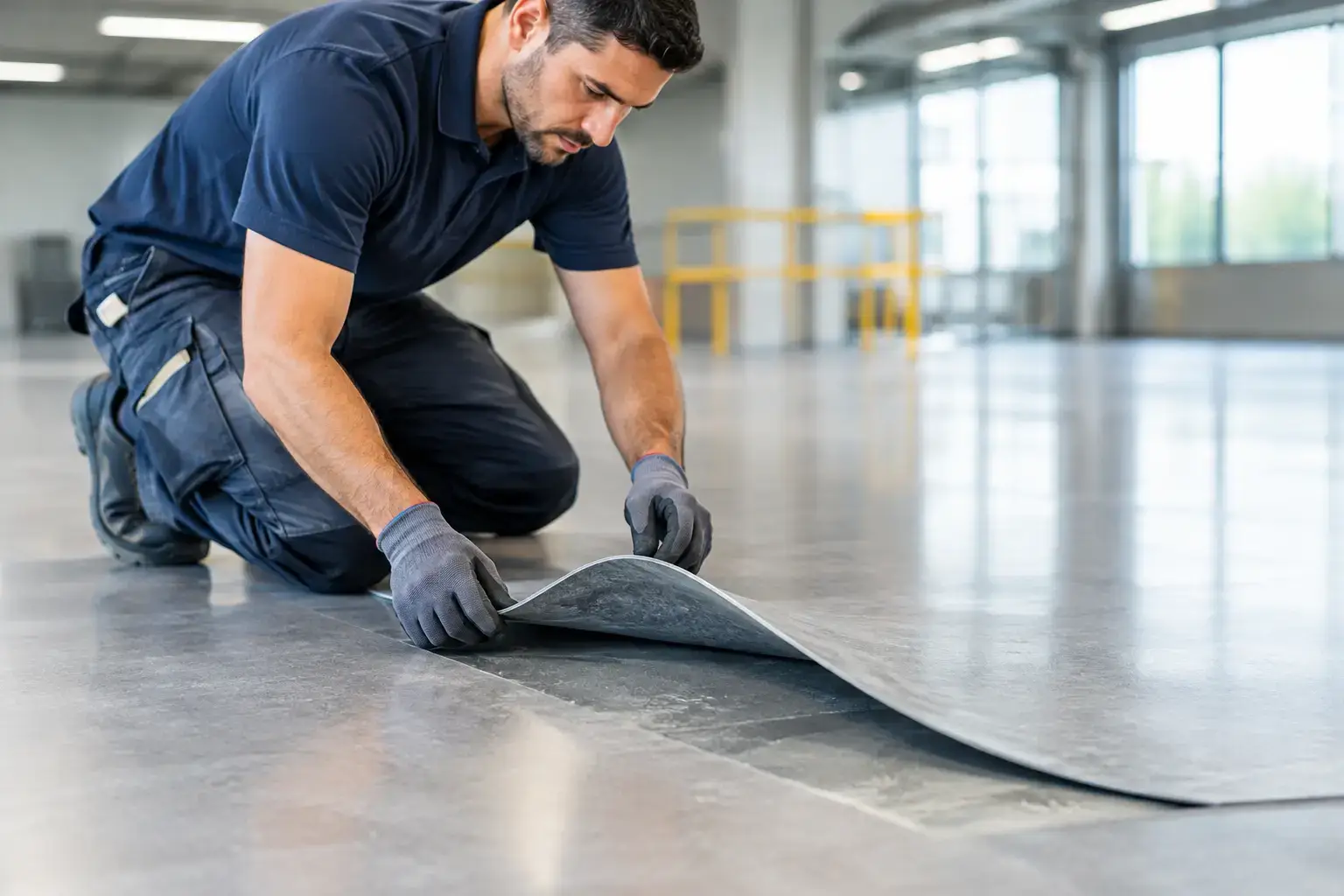
Industrial flooring is not a paint application. High-performance abrasion resistant coatings depend on substrate preparation, material mixing, environmental control, thickness control, cure management, and detail work at edges and joints.
An experienced contractor should evaluate the slab before finalizing the system. That review should include concrete strength and condition, moisture exposure, existing coatings, contamination, traffic routes, operational constraints, and the required return-to-service date. Active facilities may require phased work, off-shift installation, temporary traffic routing, or tightly sequenced shutdown windows.
Thickness should be verified against the intended use. A thin-film coating may be appropriate for light-duty protection and appearance, but it will not provide the same service life as a high-build or aggregate-reinforced system in a heavy forklift environment. Spending less at installation can create higher repair costs when the surface wears through prematurely.
At Osis Group, the standard is to treat the flooring system and its execution as one responsibility. The material must fit the operation, and the installation must meet the conditions required for that material to perform.
Plan for Maintenance, Not Just Installation
Even the best coating requires a maintenance plan. Dirt and abrasive debris act like sandpaper under tires and foot traffic. Regular sweeping, proper cleaning chemistry, and prompt attention to damage help preserve the protective surface.
Maintenance teams should also inspect high-traffic areas, joints, drains, and transitions before damage expands. Localized wear can often be repaired before it reaches the concrete substrate. Once concrete begins to break down, repair scope, downtime, and cost typically increase.
The useful question is not whether a floor can be coated. It is whether the selected system will protect the facility's most demanding areas for the service life the operation expects. When abrasion resistance is matched to traffic, substrate condition, and installation quality, the floor becomes a controlled asset rather than a recurring source of disruption.